

Chasing History on the Trail of the Hiawatha: A Rail to Trails to Remember
You're Too Old to Spend the Rest of Your Life on the Couch: Let's Adventure!

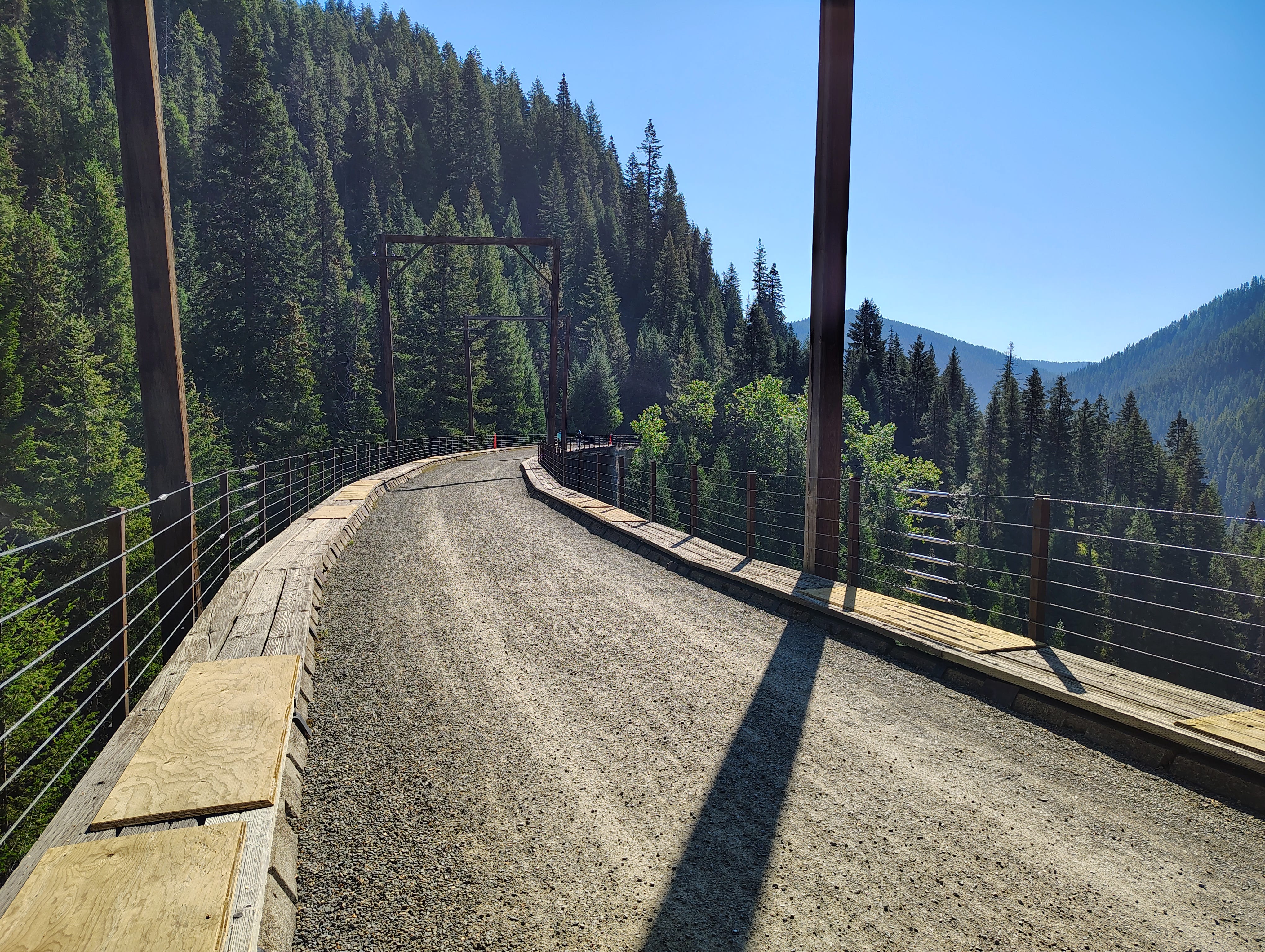
One way of life fades into memory and another rises
Imagine you’re about to start cycling one of the most stunning trails in the world. It’s piece of American railroad history that has been transformed into the jewel of cycling in the Pacific Northwest: The Route of the Hiawatha.
It’s a gorgeous September day. You helmet up, settle onto your bike with other riders, then slide into nearly utter darkness, dripping ceilings and spraying mud for ten minutes.
What?
The 1.661 mile long St. Paul Pass or Taft tunnel, which burrows smoothly under through Bitterroots, is your start to the adventure.
Some folks sang, some shouted, many of us laughed. The tiny light on my handlebars, provided by Northwest Discoveries (sister company to Oregon River Experiences), jittered on the floor, revealing silvery mud.
The cool air and dampness stroked our faces as mud splatters painted our bike bags and jackets. There was just enough light to see several riders ahead.
Ten minutes later, the tunnel spat us out the other side into the brilliant early fall sunshine and seventy-ish temperatures.
Cycling does not get better than this. You ride your own pace in the high, clean-scented mountain air, take photos from the trestles which suspend you over the vast forests, and take your time to contemplate how lucky you are to be here. This was day three of the Road Scholar Northern Idaho biking adventure.
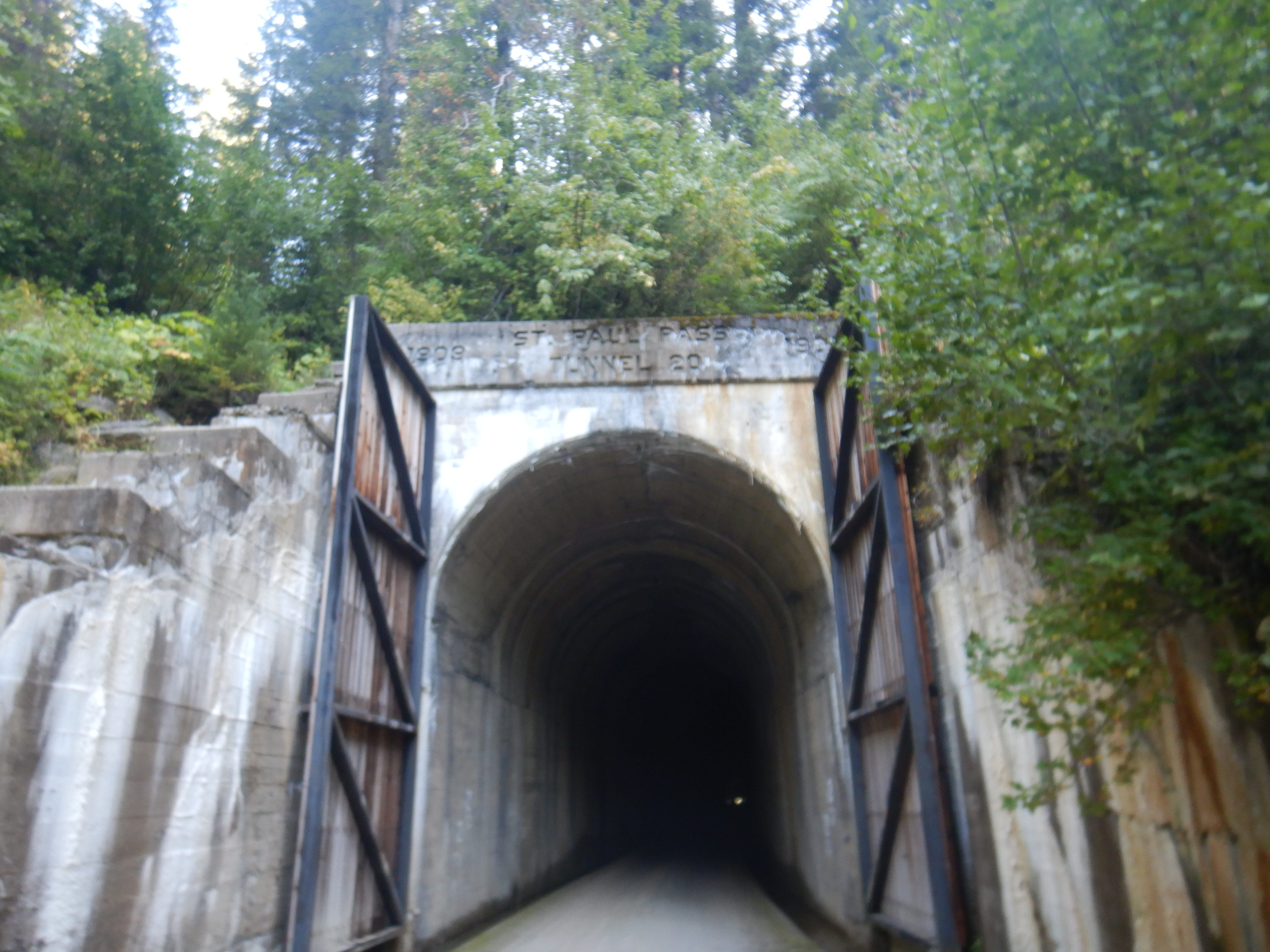
The Milwaukee Railroad once operated through eleven similar, but shorter, tunnels and over nine spectacular trestles. Between Idaho and Montana, the Hiawatha curved and curled through 46 miles of mountains and valleys.
We rode our portion on a gentle decline which drops some sixteen-plus miles. Along the way you’re treated to some of the most breathtaking scenery imaginable, enjoyed previously only by the workers, employees and customers of the Hiawatha.
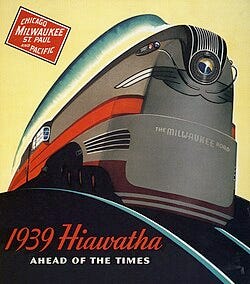
The streamlined train was beloved for its speed and luxurious amenities. The train was named for the 1855 epic poem The Song of Hiawatha by Henry Wadsworth Longfellow. The current Amtrak Hiawatha train is directly descended from the Milwaukee Road trains (Wikipedia).
Beginning in 1935, the Hiawatha trains expanded, serving adventurous travelers until the popularity of the car, Amtrak and jets all spelled an end to their dominance. The final train headed west through Butte in 1980, quietly closing an important chapter in American railways history.
That chapter may have ended, but another, perhaps better chapter, opened: turning those railroad lines into active community spaces.
Here’s the Idaho tourism pitch for the Route of the Hiawatha. A drone can show you what I can’t:
People who cycle regularly likely are familiar with the Rails to Trails Conservancy. As railroads gave way to the personal car, wise heads saw an opportunity to transform those railroads into community spaces.
Of all of the beautiful trails now available to cyclists, joggers and Those Who Wander, the Hiawatha is by any measure the most breathtaking.
Our Oregon River Experiences guides were far in front at the bottom, and all the way in back for those who wanted to inch through the tunnels and stand at the trestles in wonder.
We were always book-ended by people watching out for us as well as providing lots of information and guidance on the scenery and wildlife. As a result, our Road Scholar group had it even better than all the other cyclists.
Barring the relative discomfort of that first tunnel, which in actuality is a lot of fun, anyone can do this trail.
If you are mobile and can push a pedal, you can do this. You can stop most any time, you can choose the van, take a break or keep going at whatever pace works. But you can do this trail.
At one point I passed a mother with three tiny kids, the youngest of which was a blonde tyke barely past two, sitting on her mother’s bike and helmeted up. The other two boys barrelled next to their mother as I pedaled by.
At the bottom, all too soon, those of us choosing not to turn around and ride the same road all the way back up took the shuttle to the parking lot. There, we saddled up one last time to ride the tunnel back to our vans.
What a fabulous piece of American railroad history, lovingly tended and protected for decades to come for all of us.
It’s hard to imagine anything more gorgeous than such scenery, but there was even more to come. The sentiment "Wish you were here” has never been so true.
When you can combine heart-stopping scenery, rich history and the joy of moving outdoors into a single trip, it’s hard to find a better way to spend time.
You can do this.
Let’s play.
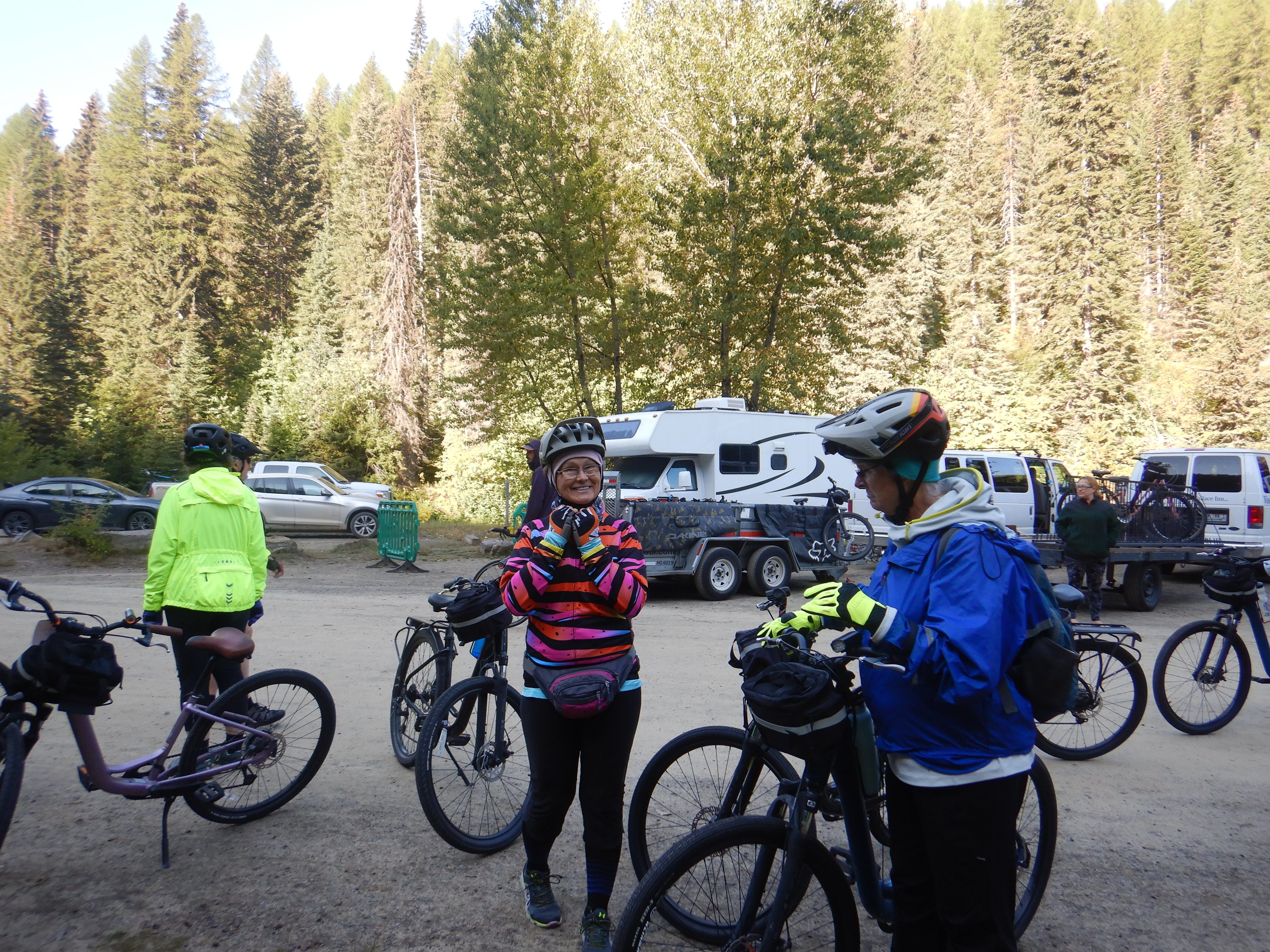
As always heartfelt thanks to all my readers and subscribers. I hope you get inspired by watching folks of an age do wonderful things with their time. I sure do. Please consider:
We've ridden most of the rail trails in the PNW, including one that went underground like yours did. I was on a two-wheeler then, now I ride an e-trike. Rail trails are the most fun ever! I love riding almost every day and look forward to adventures at every turn. Today I bought a jar of local honey from a beekeeper selling by the roadside. So much fun! Love my life, love my age, looking forward to much more before I'm "done." Thanks for the stories.
Sounds VERY fun!! I love Road Scholar trips.